COOLI-JUULI
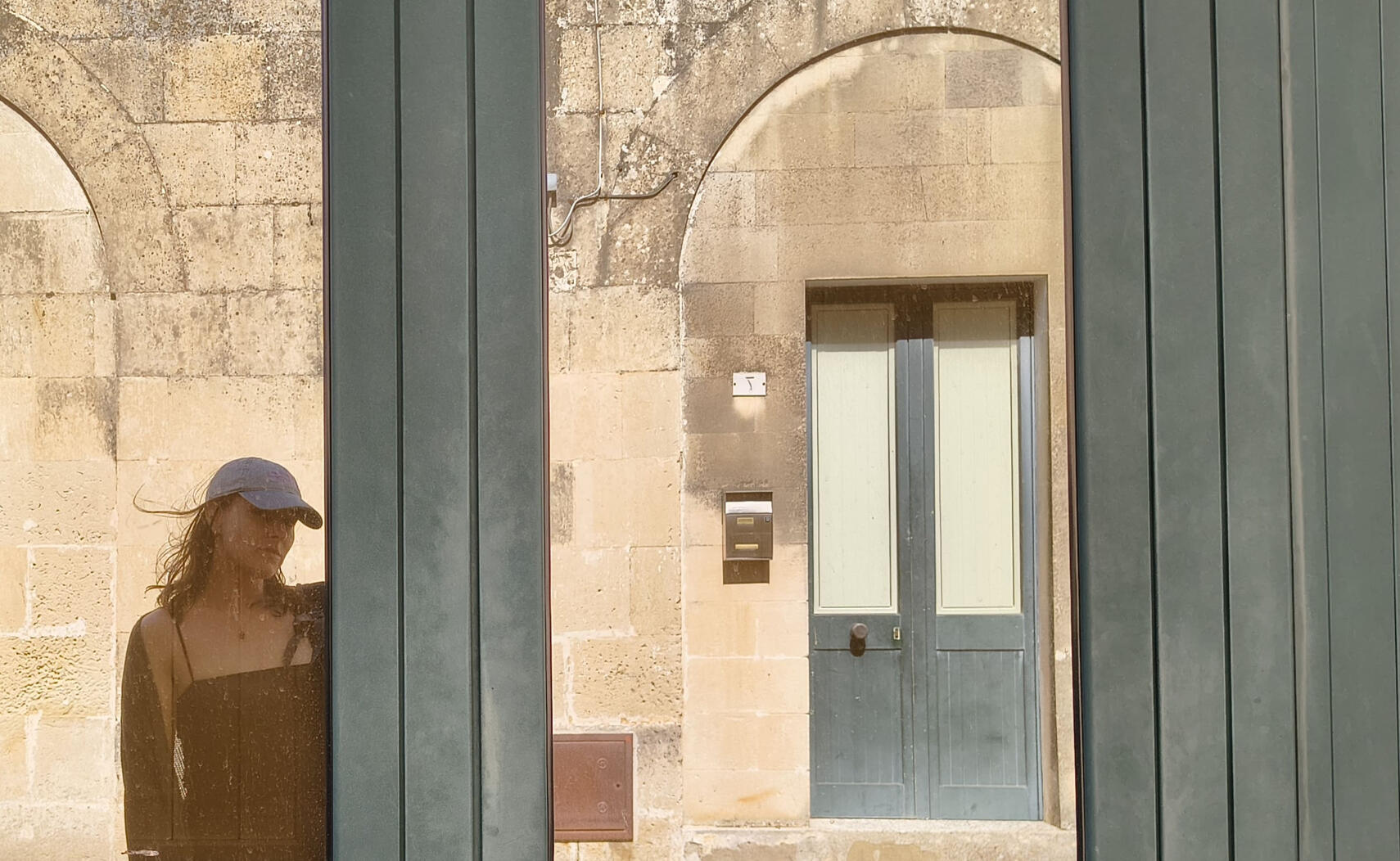
RESISTENZE E METABOLIZZAZIONI
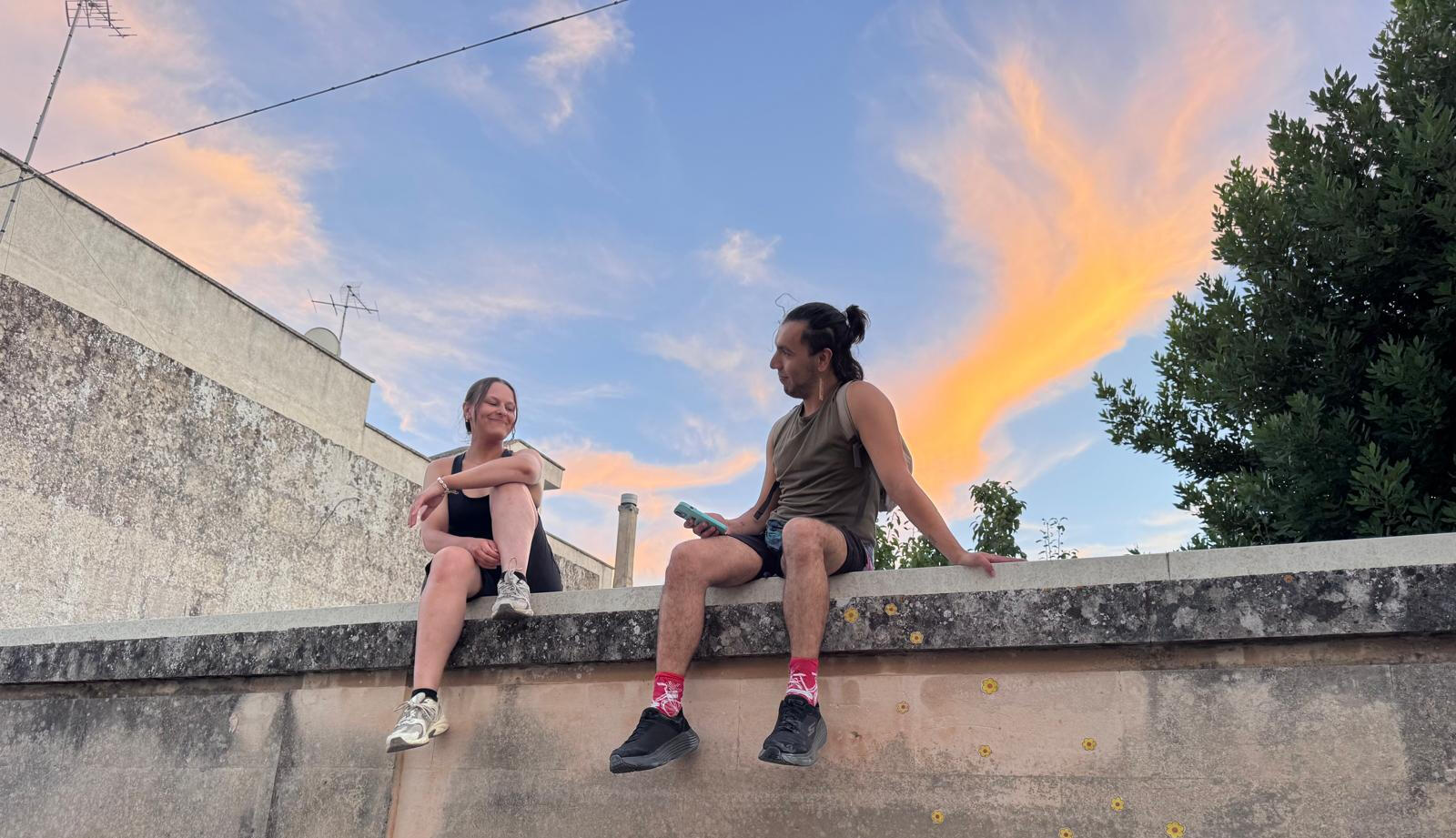
During the residency in Melpignano, I found myself adjusting to a new rhythm: learning not to rush, listening more closely, and allowing things to unfold in their own time. I approached the Italian way of living with the determined awkwardness of a northerner and the enthusiasm of someone whose body seemed to recognise the warmth of the south.I followed small encounters, overlooked details and unexpected moments as starting points for artistic exploration. A flower from a supermarket leaflet, a conversation with a stranger, a song shared in different languages, or a daily ritual could become the beginning of something new.The residency became a space for slowing down, noticing and collecting. Without a shared language, reaching out to strangers was not always easy, but it opened up new ways of communicating and finding connection beyond words.
ARTISTIC PRACTICE
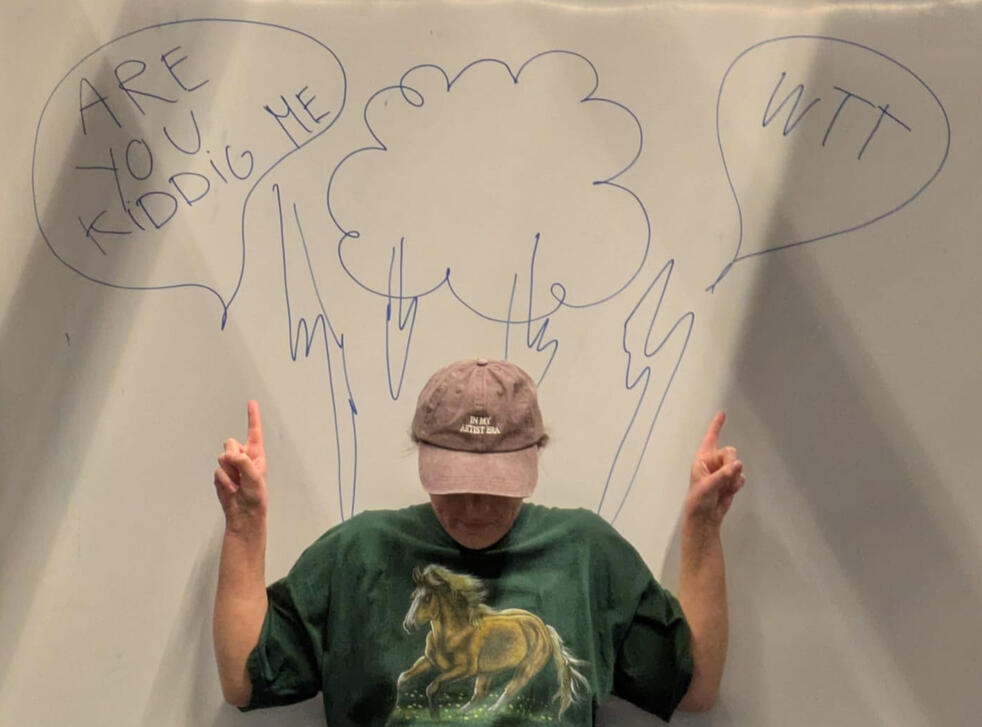
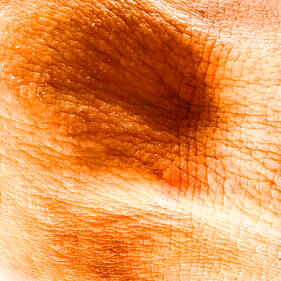
My artistic background is rooted in musical theatre, where I trained as a performer and learned to work through voice, music, movement and acting. Alongside this, I have developed a strong connection to circus and puppet theatre. For several years, I have worked across these forms, both as a performer and as a maker. I am now interested in expanding this practice further: not leaving my background behind, but allowing it to become part of a broader performing arts practice.For a long time, I had a very specific idea of what it meant to practice. In musical theatre, you practice singing, dancing or acting. You rehearse, polish and refine.My current practice has started heading in a different direction.I am interested in how performance can emerge from an impulse, a material, a task or a question rather than from a predetermined form. I work through experimentation, using repetition, duration and physical engagement to find out what something might become. My practice often begins before I fully understand what I am looking for.My first solo work contained many of these interests. It started from my own body and my experience with skin, eczema and topical steroid withdrawal. I worked with paper as a material, allowing it to become part of both the physical world of the work and the scenography. I was interested in how something invisible could become physical and visible through performance.I thought I had a closure after making the work. How wrong can a human be...During our residency in Melpignano, a self-portrait task led me to explore the topic further. I followed my instincts in making the images, and afterwards recognised that I had returned to the body and skin again.This made me realise something important about my practice: I often begin researching something before consciously deciding that it is a subject of research. When something keeps returning, I take that return seriously and try to dig deeper with it.Materials work in the same way. In Melpignano, I became absorbed by a flower image from supermarket leaflets and spent hours collecting them. The flowers later became an installation and later returned in another performance. I am interested in this kind of continuity and recycling also in my physical work.Water became another recurring material. Through swimming, physical exploration and working with water bottles, I became interested in how far an ordinary object could be taken. A water bottle is just a water bottle, but staying with it long enough can reveal new possibilities.How much can be discovered by staying with something ordinary?I am interested in the relationship between intuition and discipline. Following an impulse doesn't mean waiting passively for inspiration. I give myself tasks and commit to them. I repeat things, document them, test ideas that may not work and return to materials over time. The methods I encountered during my master's studies have become practical tools for this: improvisation, duration, repetition, failure, documentation and self-set tasks.There is also a certain stubbornness in my practice. I want to remain open to what I cannot plan, while still having the discipline to stay with something long enough to find out what it has to offer.I am moving beyond musical theatre, but I am not abandoning it. My music, movement and acting skills remain part of my toolbox. What is changing is that they don't need to determine the form of the work beforehand.I am interested in a multidisciplinary performing arts practice where the form can emerge through the relationship between the body, materials, actions and the process of making.
RESEARCH METHODS
Intuition :
starting from what catches my attention and allowing the reason to emerge through the process.Materials :
using what is already available as a starting point for physical and material research.Giving time :
delaying judgement and staying with an idea or material long enough for new possibilities to emerge.Duration :
using extended tasks and actions to explore what changes when I continue beyond the first impulse.Repetition :
returning to actions, materials and ideas to observe how they transform.Tasks :
creating specific tasks and committing to following them through.Failure :
allowing unsuccessful experiments to inform the next attempt rather than treating them as dead ends.Improvisation and experimentation :
testing possibilities without deciding their final form beforehand.Documentation :
recording the working process, including small daily experiments and observations.Continuity :
allowing materials, questions and discoveries to move between experiments and works.Recycling :
returning to existing materials and allowing them to develop new meanings in new contexts.Routine :
swimming, walking, running and other physical activities as ways of maintaining attention and availability.Availability :
remaining open to people, places, materials and unexpected encounters.Letting go of constant time-tracking :
experiencing duration rather than always measuring it.
WORKS:
DIS(AT)TRACKTIVE
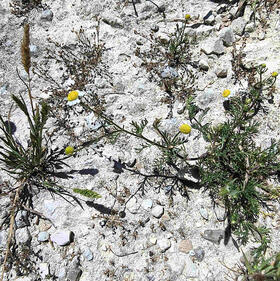
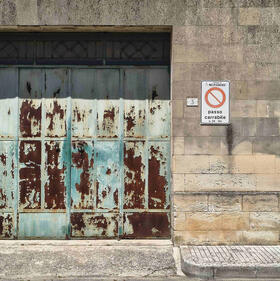
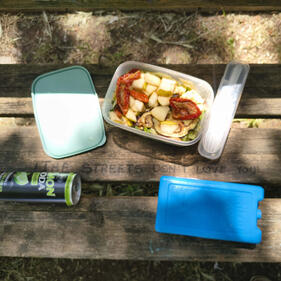
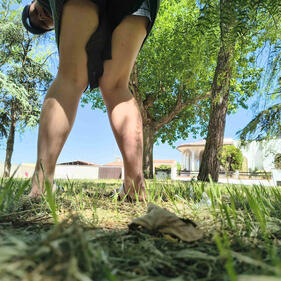
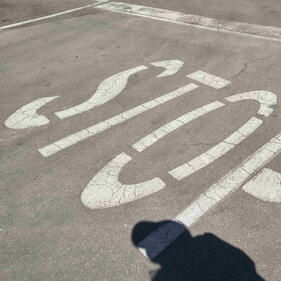
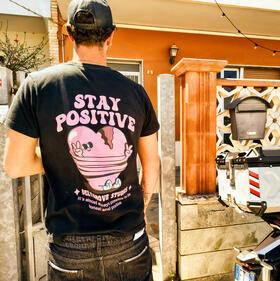
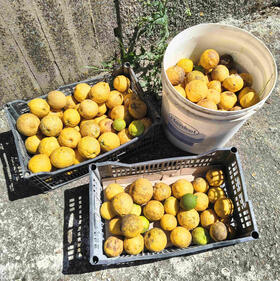
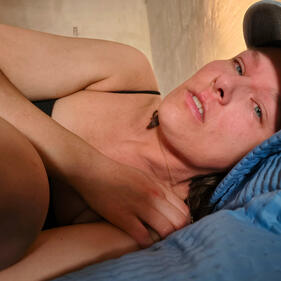
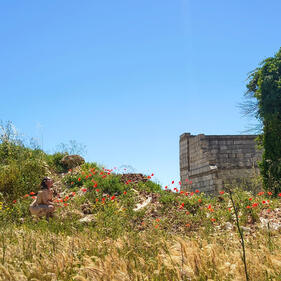
I wandered through Melpignano and found myself drawn to the edges of the town, where construction sites stood side by side with fields of wild flowers. As I continued my walk, I started noticing these details more and more: beauty in the rough.The title, Dis(at)tracktive, comes from this tension. It combines attraction and distraction, and reflects my own relationship with the body. I have spent years trying to rebuild trust in it, while it keeps reminding me that it has its own pace. During this walk, a small irritation in my eye grew into an allergic reaction, becoming another unexpected interruption.These photographs are moments where my body, the landscape and my attention meet.
AQUA SALTATIO
I followed a character bound to water.I followed the traces, collect the pieces, the moments that seemed to matter. Trying to catch them before they evaporate.Time unravels. The water began its dance.Before hands ruined everything. Before the dance vanishes into the sun
BEYOND SKILL
Two hours. Four square meters. A bottle and me.I waited for it to speak. It started to move in the wind. I observed.Interest became love. Love became abuse. Abuse became liberation.Later, my act with the bottle was connected with Giorgio’s thoughts. “Being good isn’t enough”, stayed with me.A paradox I often find myself facing.Before, skill was at the centre of my practice. Being obsessed with skill was something I knew how to do.The bottle didn’t ask me to be good at anything. It asked me to be present.Beyond the need to be good.
F L O W E R
Something small caught my eye during my stay in the town. What started as a little task became a bit of an obsession.I began collecting flower images from the local Conad supermarket leaflets. One became ten. Ten became a hundred. They needed to be seen together.
MALEDETTA ADULTA
The first idea was to sing karaoke with a local and see what would happen.So, what do damned spring and an adult woman have in common? The melody, of course. One familiar tune was enough to turn an Italian bartender and me into a duet, with him singing in Finnish and me in Italian at the village square.They say music brings people together. In this case the cliché was once again true.
GELATO TURTLE
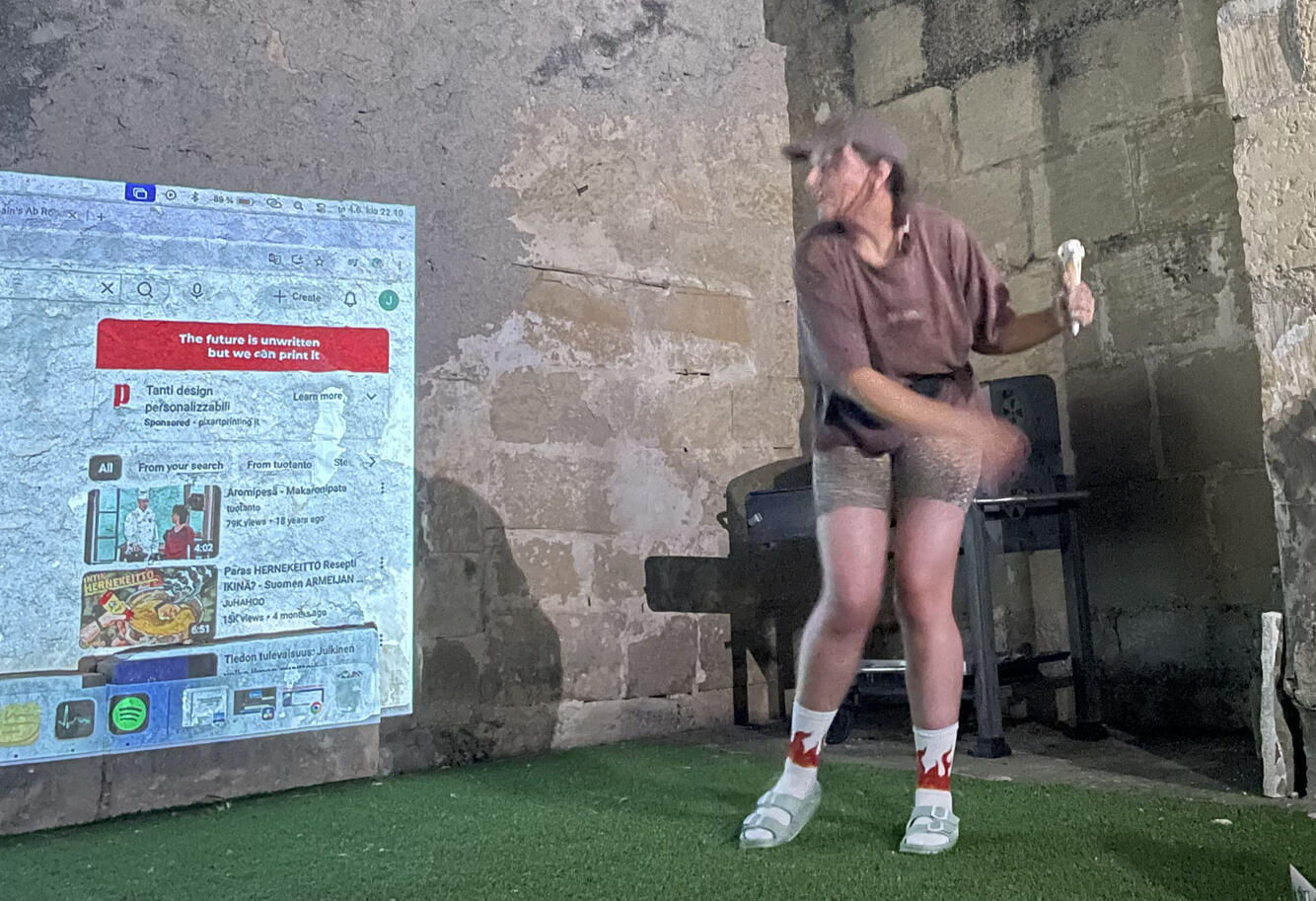
The task was to work with the non-human. My intuition said: ice cream.How to become an ice cream?One thought led to another, and before I realised it, I had written a chain of associations. The list became a document of my thinking, capturing one thought leading to the next before I had time to organise it.In the end, I framed the stand-up-like presentation around my artistic practice in Melpignano: swimming and eating ice cream.Can swimming and eating ice cream be considered as an artistic practice?
RUNNING CLUB
It all started with the sentence, "Limoncello is not vitamin B." My dear Colombian Churro and I decided that running, playfulness and collecting answers belonged together.The audience was invited to join our quirky running club, where the route included ringing a stranger's doorbell and dancing in an abandoned house.